The Project: A Vision for Resilient, Interoperable Space Systems
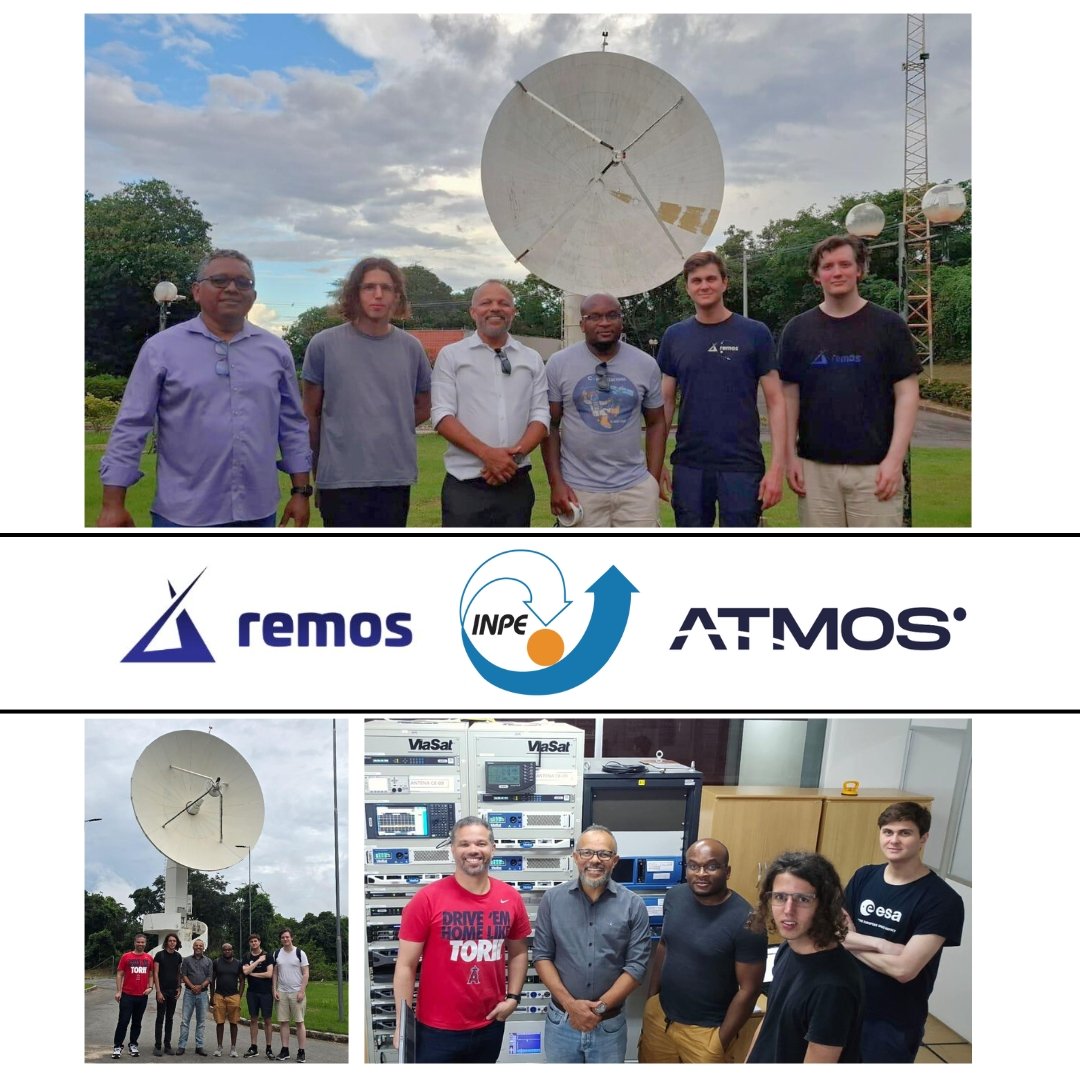
In a significant milestone for international space collaboration, Remos Space Systems AB completed the installation of a ground station system at Brazil's National Institute for Space Research (INPE) to support the ambitious Phoenix One mission, led by ATMOS Space Cargo.
This achievement marks more than a technical installation. It symbolizes the power of cross-continental cooperation, resilient system design, and interoperable space infrastructure.
Remos, a specialist in software modems and ground stations, played a pivotal role in designing and deploying the system at INPE. Built with flexibility and global operability in mind, the ground station provides the critical capability of high-reliability tracking, telemetry, and command.
The Phoenix One mission aims to demonstrate new technologies in satellite deployment and in-space logistics, advancements that could reshape how satellite operations are managed on a global scale.
Partnerships That Span Hemispheres
Phoenix One represents not only a technological milestone for ATMOS Space Cargo but also a testament to the power of global collaboration. Our partnerships with Remos Space Systems and the National Institute for Space Research (INPE) are prime examples.
This project exemplifies the very mission Remos was founded on: to make ground infrastructure smarter, more accessible, and globally interoperable. By delivering a solution that can be deployed quickly and adapted remotely, we're helping break down traditional barriers to space access.
The success of this project hinged on seamless collaboration between multiple partners across the Americas and Europe. At the core was the experienced team at INPE, led by Glauber Miranda, whose expertise in satellite operations ensured the project adhered to the highest scientific and operational standards.
The rapid deployment and successful performance of the Remos ground station during the challenging Phoenix One mission clearly demonstrated the agility and robustness of their system. Within a very short timeframe, we were able to establish and adapt a fully functional VHF/UHF TT&C capability.
Astralintu Space Technologies further strengthened the project by contributing critical know-how in satellite technologies and ground system integration, facilitating a smoother deployment process.
The successful tracking of Atmos Cargo's Phoenix One using Remos Space technology marks a key milestone for our GSaaS operations from Ecuador. This achievement reflects the strength of our partnership and demonstrates the reliability of the infrastructure we're building to support global satellite missions from Latin America.
Software-Defined Ground Infrastructure in Action
The installed ground station leverages Remos Space Systems' software-defined architecture, engineered to simplify satellite ground operations, enhance scalability, and reduce barriers to space access. Unlike traditional ground stations, software-defined systems allow for remote upgrades, dynamic reconfiguration, and multi-mission support.
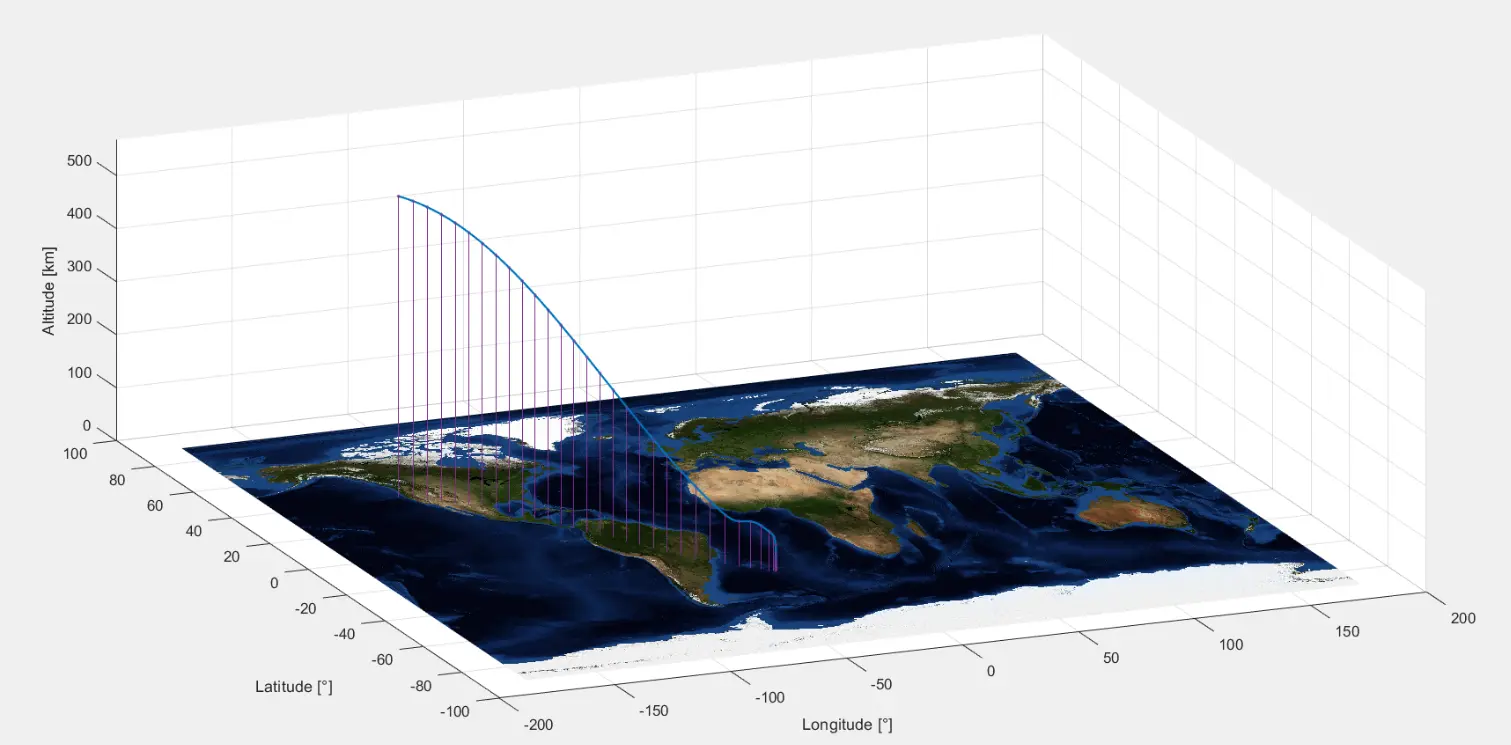
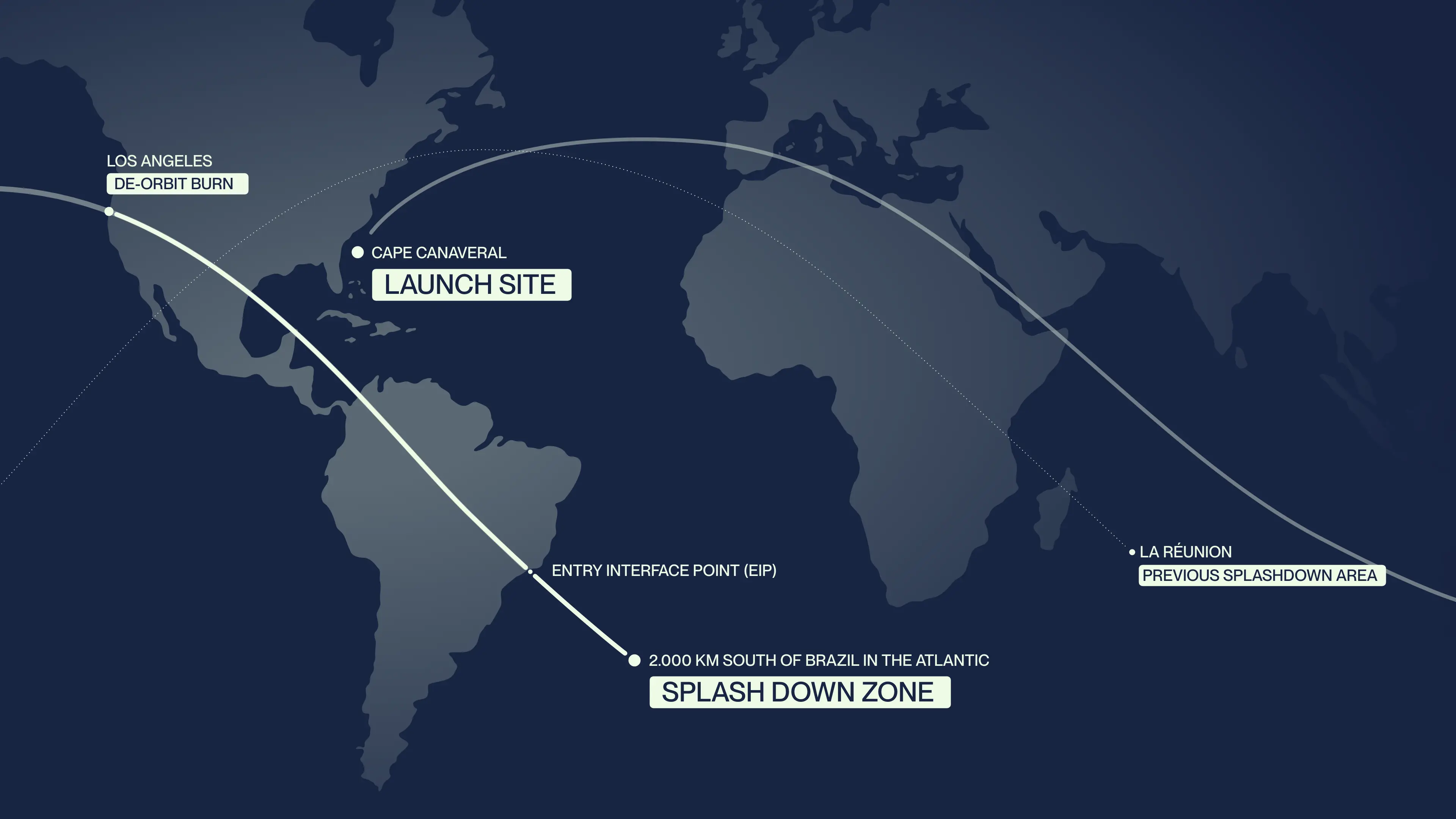
One specific challenge for this mission was the unique entry trajectory of the spacecraft. Remos software traditionally relies on orbital propagators, but this mission required a same-day software update to point the ground station using the unconventional flight path. Thanks to the software-based approach of the Remos modem, that update was developed and integrated very quickly.
By abstracting signal processing and control layers into software, we can deploy updates, reconfigure modulation schemes, or switch between satellite protocols in real time, all without touching the physical infrastructure. This flexibility extends the lifecycle of the ground station and allows operators to support diverse mission requirements with minimal overhead.
A Shared Path Forward
The success of this installation sends a powerful message to the global space community: cross-border collaboration, interoperability, and technological innovation are the bedrock of the next era in space exploration.
As Phoenix One progresses, the installed ground station will serve as a living testament to aligned vision, expert execution, and technological innovation, with future collaboration expected to expand support for additional missions and next-generation communication protocols.