Why Ground Stations Matter in Academia
Universities and research institutions play a pivotal role in satellite innovation, supporting CubeSats, Earth Observation platforms, climate monitors, and space-exploration testbeds. But with the proliferation of small satellites, the traditional gaps in ground segment infrastructure become more glaring.
Ground segment costs are usually between 10 and 20 percent of the mission budget and pose significant barriers for academia: equipment procurement, staffing, maintenance, scheduling, and scalability concerns.
Core Challenges Faced by Academia
- High Capital Outlays and Hardware Lock-In: Legacy ground stations demand specialized hardware that is cost-prohibitive and inflexible.
- Operational Complexity and Manual Dependence: Traditional facilities rely on manual scheduling and on-site control.
- Limited Flexibility and Scalability: Adapting to new missions, bands, or modulation formats often requires costly upgrades.
- Maintenance and Future-Proofing: Converging with evolving satellite standards is logistically difficult.
The Upside: Research-Driven Opportunities
- Hands-on Learning: Students gain experience in TT&C, scheduling, modulation, and mission planning.
- Collaborative Access: Institutions can share station time across multiple missions.
- Rapid Prototyping: Real operational access accelerates experimentation and innovation.
- Global Collaboration: Flexible stations underpin international research missions.
Enter Remos Space Systems: Agile, Affordable Ground Station Solutions
Software-Defined, Cost-Effective Systems
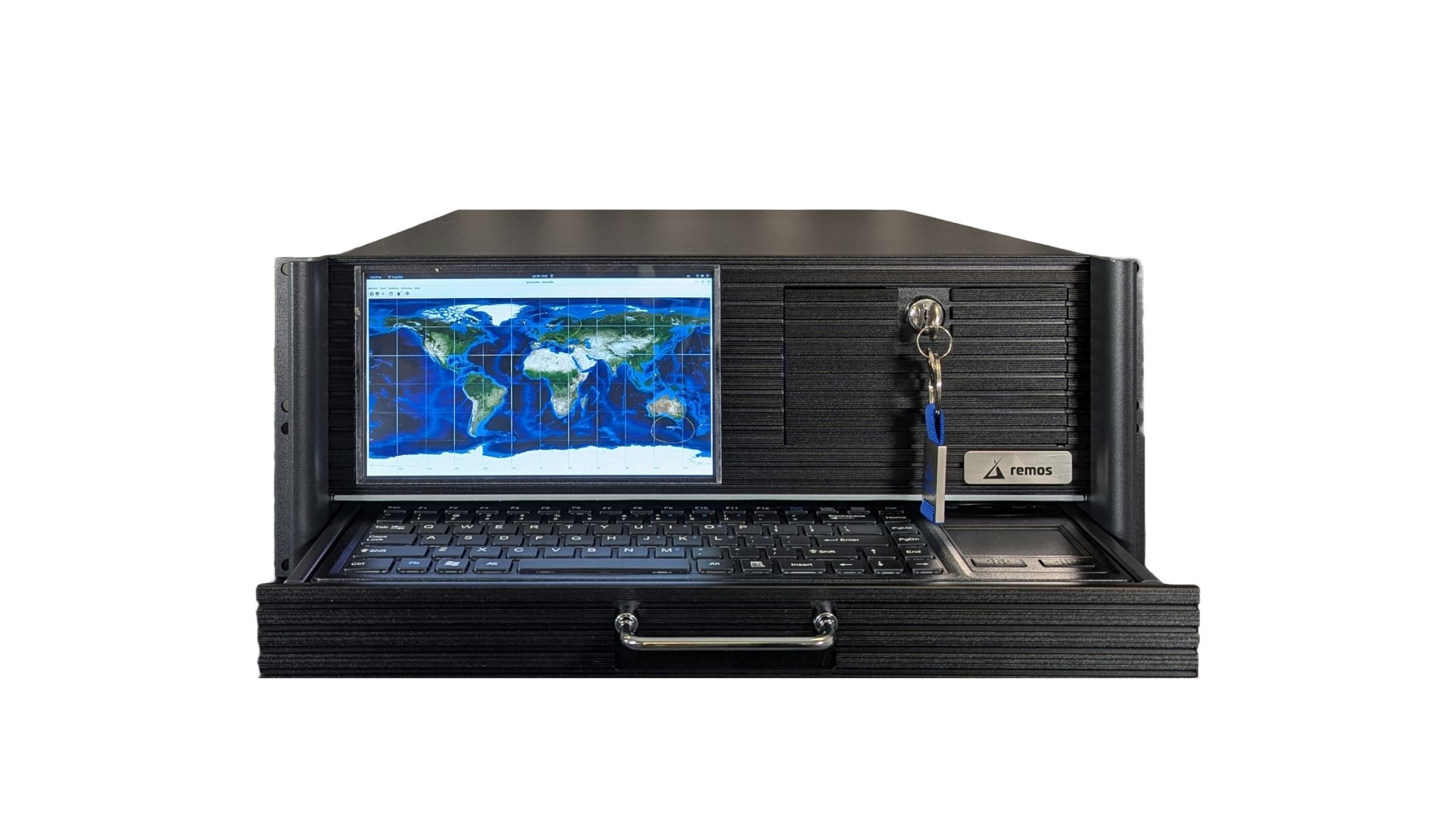
- Remos disrupts the cost equation by replacing rigid hardware with software-defined architectures. Their flagship Expedite modem can be deployed as a plug-and-play commercial server, a turnkey ground station, or a pure software modem on existing infrastructure.
Multi-Band Versatility & Automation
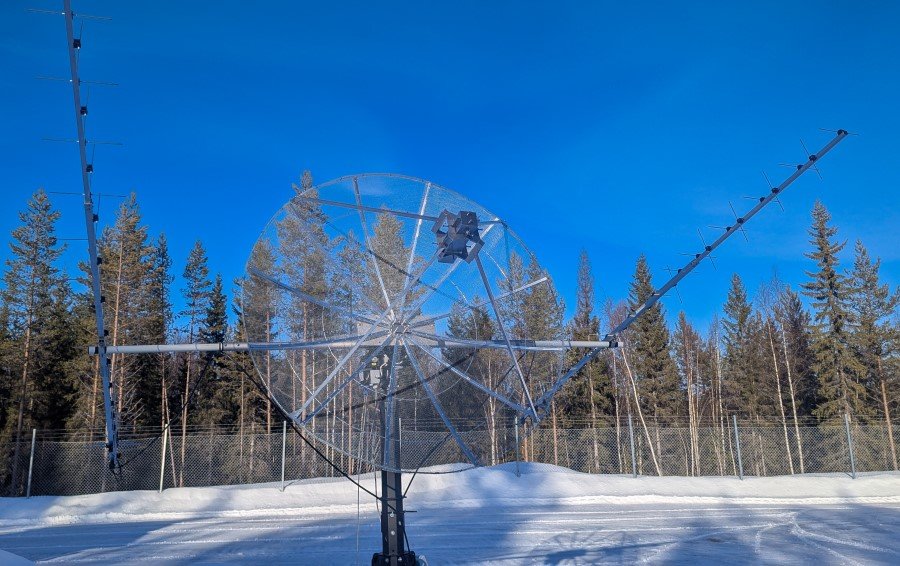
Remos offers turnkey stations covering UHF, VHF, L, S, and X band operations, with CCSDS compliance, automatic Doppler correction, flexible modulation schemes, high-throughput payload reception, precise tracking, and secure communications.
Proven Real-World Applications
In Brazil, Remos deployed a flexible ground station at INPE to support the Phoenix One re-entry capsule mission. The software-defined approach allowed same-day adaptation to unusual trajectory tracking, demonstrating agility and cost-efficiency. The company has also supplied ground systems to universities and institutes in Mexico, the United States, Ireland, and Africa.
Final Thoughts
Universities and research institutes stand at the forefront of satellite innovation, but traditional ground station infrastructure has been limiting. Remos Space Systems offers a timely remedy with software-defined, flexible, affordable, and globally supported systems.
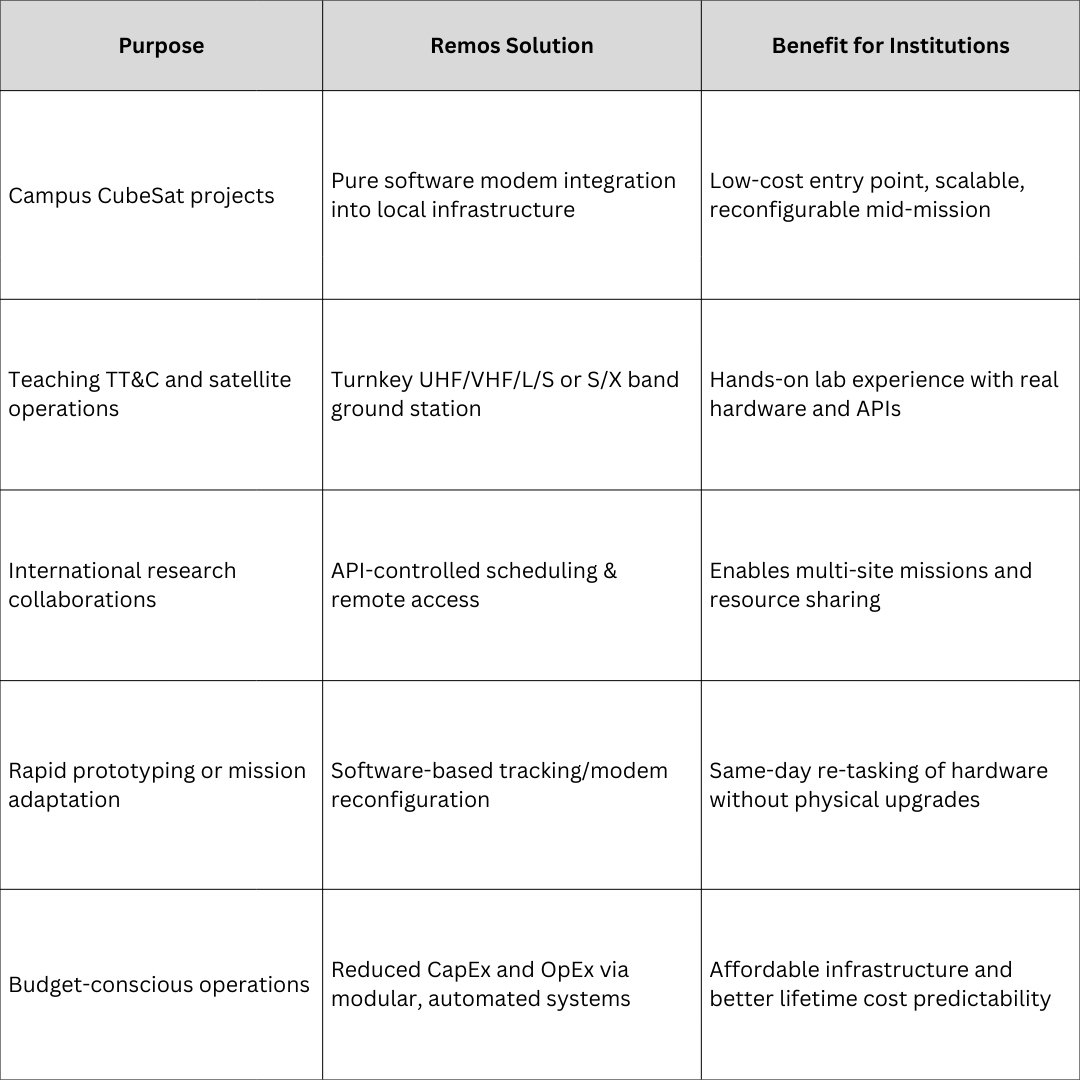
By choosing Remos, institutions cut costs, boost flexibility, gain hands-on educational capability with modern API-driven operations, and benefit from global reach and proven deployments. In essence, Remos transforms the ground station into a programmable, affordable, and accessible tool for academic discovery.